臭豆腐的故事 – Chòu dòufu de gùshì
一、中文故事 / Chinese Story
在中国和台湾,有一种很有名的小吃,叫臭豆腐。
臭豆腐的味道很特别。闻起来很臭,吃起来却很香。
很多人第一次看见臭豆腐时,会觉得很奇怪。
但是,如果他们勇敢地尝一口,常常会喜欢上这种味道。
关于臭豆腐的来历,有一个有名的传说。
清朝时,有一个叫王致和的人。他去北京考试,但是没有考上。
后来,他在北京卖豆腐生活。
有一天,他剩下很多豆腐,就把豆腐切成小块,放进坛子里。
过了几天,他打开坛子,发现豆腐的味道很臭。
他本来想扔掉,可是尝了一口以后,觉得味道很好。
从那以后,臭豆腐慢慢变成受欢迎的食物。
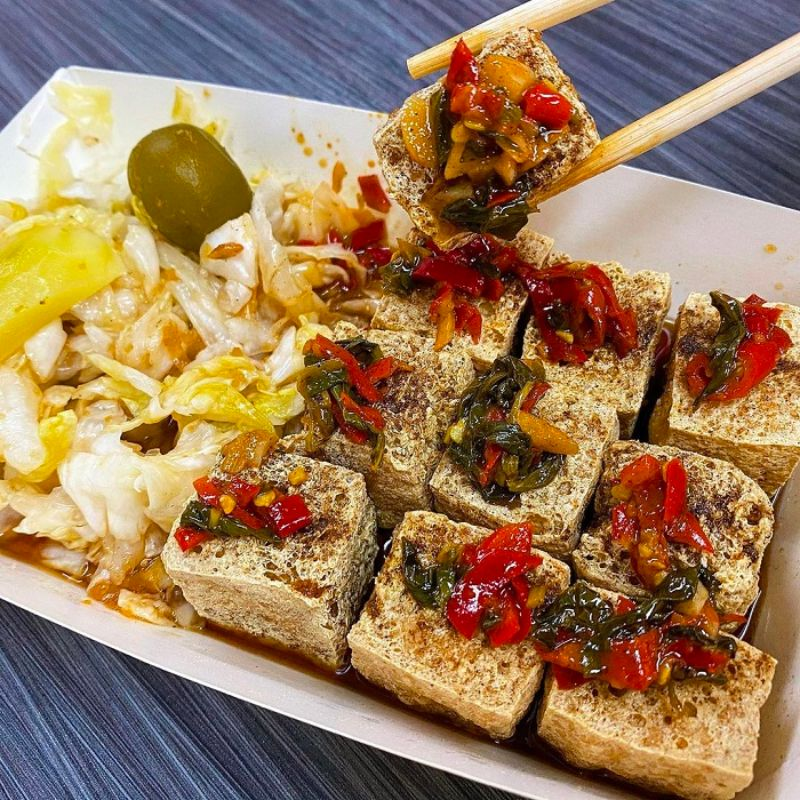
现在,在夜市和路边摊,人们常常可以买到臭豆腐。
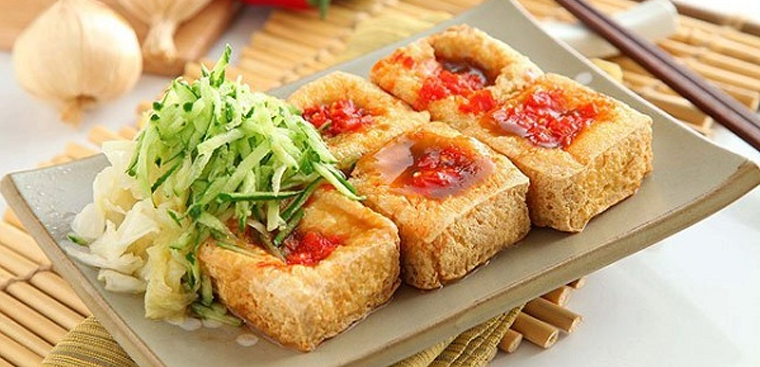
有的臭豆腐是炸的,外面很脆,里面很软。
有的臭豆腐会配泡菜和酱料,味道更丰富。
臭豆腐的故事告诉我们:不要只看外表,也不要太快下结论。
二、Moral / Bài học
English: Do not judge something only by its appearance or smell. Some things must be tried before we truly understand them.
Vietnamese: Đừng đánh giá một thứ chỉ qua vẻ ngoài hoặc mùi hương. Có những điều phải thử rồi mới thật sự hiểu được.
Chinese: 不要只看外表,也不要太快下结论,很多东西试过以后才知道好不好。
三、Vocabulary Table / Bảng từ vựng
| Chinese | Pinyin | English | Vietnamese | Example |
|---|---|---|---|---|
| 臭豆腐 | chòu dòu fu | stinky tofu | đậu phụ thúi / đậu hũ thối | 臭豆腐闻起来很臭。Stinky tofu smells strong. |
| 中国 | zhōng guó | China | Trung Quốc | 臭豆腐是中国小吃。Stinky tofu is a Chinese snack. |
| 台湾 | tái wān | Taiwan | Đài Loan | 台湾夜市有臭豆腐。Taiwanese night markets have stinky tofu. |
| 小吃 | xiǎo chī | snack; street food | món ăn vặt | 我喜欢吃中国小吃。I like eating Chinese snacks. |
| 味道 | wèi dào | taste; smell; flavor | mùi vị | 这个味道很特别。This flavor is special. |
| 特别 | tè bié | special | đặc biệt | 臭豆腐很特别。Stinky tofu is special. |
| 闻起来 | wén qǐ lái | to smell | ngửi có vẻ | 闻起来很臭。It smells strong. |
| 吃起来 | chī qǐ lái | to taste | ăn có vẻ | 吃起来很香。It tastes good. |
| 很臭 | hěn chòu | very smelly | rất thúi, rất hôi | 这个豆腐很臭。This tofu smells very strong. |
| 很香 | hěn xiāng | fragrant; tasty | thơm, ngon | 炸臭豆腐很香。Fried stinky tofu smells tasty. |
| 第一次 | dì yī cì | the first time | lần đầu tiên | 我第一次吃臭豆腐。This is my first time eating stinky tofu. |
| 奇怪 | qí guài | strange | kỳ lạ | 他觉得味道很奇怪。He thinks the smell is strange. |
| 勇敢 | yǒng gǎn | brave | dũng cảm | 请勇敢地尝一口。Please bravely try one bite. |
| 尝一口 | cháng yì kǒu | to try one bite | nếm một miếng | 你可以尝一口。You can try one bite. |
| 来历 | lái lì | origin; background | nguồn gốc, lai lịch | 这个小吃有一个来历。This snack has an origin story. |
| 传说 | chuán shuō | legend | truyền thuyết | 这是一个有名的传说。This is a famous legend. |
| 清朝 | qīng cháo | Qing dynasty | triều Thanh | 故事发生在清朝。The story happened in the Qing dynasty. |
| 考试 | kǎo shì | exam | kỳ thi | 他去北京考试。He went to Beijing for an exam. |
| 卖 | mài | to sell | bán | 他卖豆腐生活。He sold tofu for a living. |
| 豆腐 | dòu fu | tofu | đậu phụ / đậu hũ | 我喜欢吃豆腐。I like eating tofu. |
| 剩下 | shèng xià | to be left over | còn lại | 他剩下很多豆腐。He had a lot of tofu left. |
| 切成 | qiē chéng | to cut into | cắt thành | 把豆腐切成小块。Cut the tofu into small pieces. |
| 小块 | xiǎo kuài | small pieces | miếng nhỏ | 这些是豆腐小块。These are small tofu pieces. |
| 放进 | fàng jìn | to put into | cho vào | 他把豆腐放进坛子里。He put the tofu into a jar. |
| 坛子 | tán zi | jar | cái hũ, cái chum | 坛子里有豆腐。There is tofu in the jar. |
| 打开 | dǎ kāi | to open | mở ra | 他打开坛子。He opened the jar. |
| 发现 | fā xiàn | to discover; to find | phát hiện | 他发现豆腐很臭。He found that the tofu smelled strong. |
| 扔掉 | rēng diào | to throw away | vứt bỏ | 不要扔掉食物。Do not throw away food. |
| 受欢迎 | shòu huān yíng | popular | được yêu thích | 臭豆腐很受欢迎。Stinky tofu is very popular. |
| 夜市 | yè shì | night market | chợ đêm | 夜市有很多小吃。The night market has many snacks. |
| 路边摊 | lù biān tān | roadside stall | quán ven đường | 我在路边摊买小吃。I buy snacks at a roadside stall. |
| 炸 | zhá | to fry | chiên, rán | 臭豆腐可以炸。Stinky tofu can be fried. |
| 很脆 | hěn cuì | crispy | giòn | 外面很脆。The outside is crispy. |
| 很软 | hěn ruǎn | soft | mềm | 里面很软。The inside is soft. |
| 泡菜 | pào cài | pickled cabbage; pickles | dưa cải muối / kim chi kiểu Hoa | 臭豆腐可以配泡菜。Stinky tofu can be served with pickled cabbage. |
| 酱料 | jiàng liào | sauce | nước sốt | 这个酱料很好吃。This sauce is tasty. |
| 外表 | wài biǎo | appearance | vẻ ngoài | 不要只看外表。Do not only look at appearance. |
| 下结论 | xià jié lùn | to draw a conclusion | kết luận | 不要太快下结论。Do not draw a conclusion too quickly. |
四、Reading Questions
- 臭豆腐是什么?
What is stinky tofu? - 臭豆腐闻起来怎么样?吃起来怎么样?
How does stinky tofu smell and taste? - 传说中,谁发现了臭豆腐?
According to the legend, who discovered stinky tofu? - 王致和为什么把豆腐放进坛子里?
Why did Wang Zhihe put tofu into a jar? - 现在人们常常在哪里可以买到臭豆腐?
Where can people often buy stinky tofu now? - 这个故事告诉我们什么?
What does this story teach us?
五、Answer Key
- 臭豆腐是一种很有名的小吃。 / Stinky tofu is a famous snack.
- 闻起来很臭,吃起来却很香。 / It smells strong, but it tastes good.
- 传说中,王致和发现了臭豆腐。 / According to the legend, Wang Zhihe discovered stinky tofu.
- 因为他剩下很多豆腐。 / Because he had a lot of tofu left.
- 人们常常在夜市和路边摊可以买到臭豆腐。 / People can often buy it at night markets and roadside stalls.
- 不要只看外表,也不要太快下结论。 / Do not only look at appearance, and do not draw conclusions too quickly.
六、Source Note / Ghi chú nguồn
This simplified reading is based on commonly reported public information: stinky tofu is fermented tofu with a strong smell, often sold at night markets or roadside stalls, and one famous legend connects its origin with Wang Zhihe in the Qing dynasty.